Bringing WWT’s Brand to Life Across the UK’s Wetlands
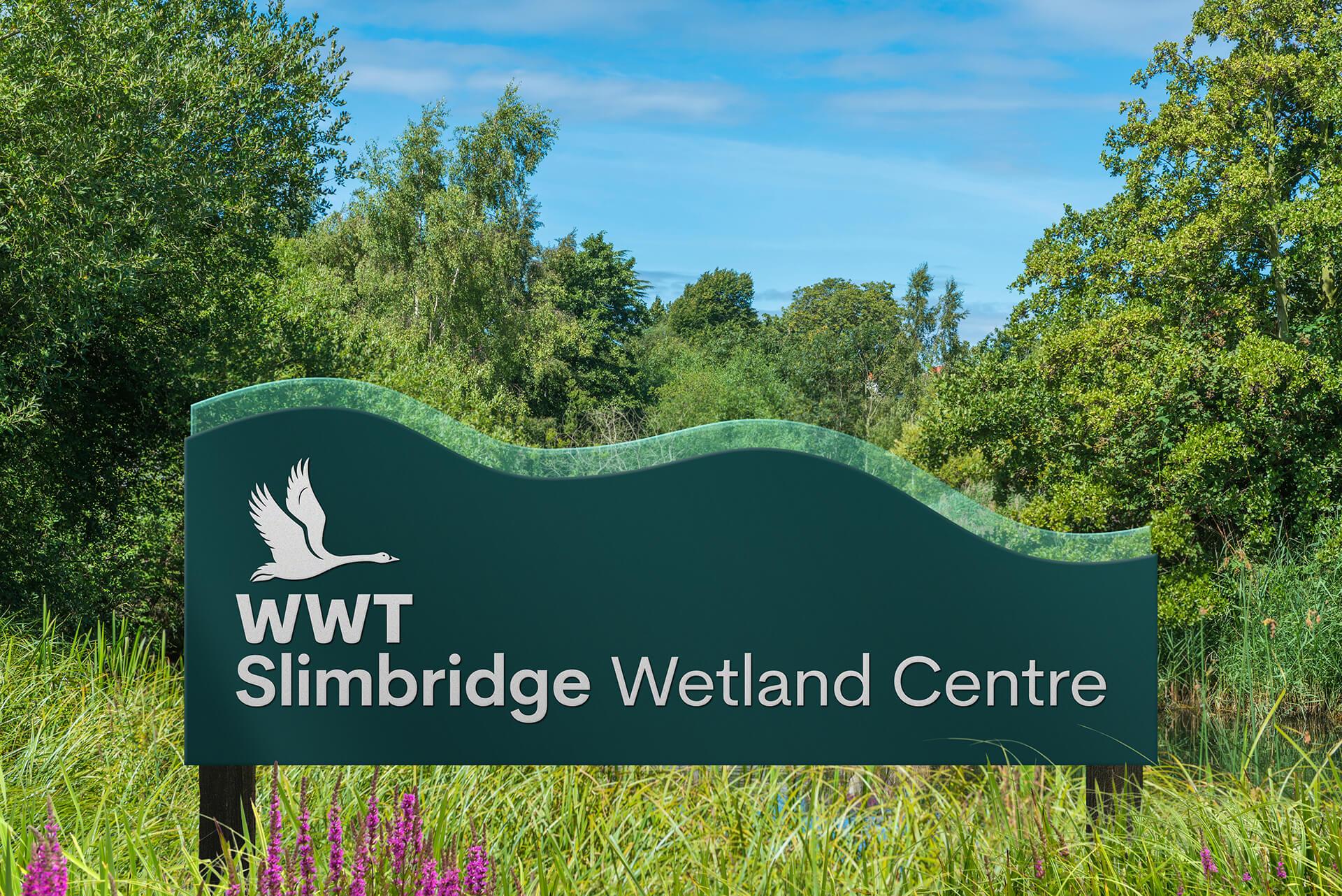
WWT, the charity for wetlands and wildlife, is on a mission to restore some of the UK’s most powerful ecosystems. Wetlands are wildlife-teeming, flood-buffering, water-purifying, mood-lifting, carbon-sinking habitats – but they’re being lost at a staggering rate. With ten sites across the UK and around 10 million visitors each year, WWT works to inspire people to connect with nature and take action to protect it.
In 2023, WWT launched a new brand identity. The first phase of rollout focused on digital and print applications. The next stage was more complex: how do you bring a brand to life across ten very different physical sites, in a way that’s clear for staff and volunteers to apply, and consistent enough to feel like one organisation wherever visitors go?
View the Case Study

The Challenge
Beyond the visual identity itself, the brand needed to work hard within these physical spaces. It had to communicate who WWT are, the benefits wetlands bring to everyone, and encourage people to get involved. WWT also wanted to improve key parts of the visitor experience, particularly around arrival and departure – often the moments that shape how a visit is remembered. And crucially, staff and volunteers needed clear, practical guidance for applying the brand on the ground, without a design team on hand for every decision.
Our Approach
We broke the project into three stages: a design scheme that could flex across all ten sites, detailed designs for key arrival and departure spaces, and new site-branding guidance added to WWT’s brand playbook.
Understanding the Sites
Getting this right meant understanding how the brand actually plays out in physical space, so we started with site visits to evaluate the visitor experience firsthand. We assessed each site to understand both the common aspects to each and, more importantly, the unique features of each one that needed to be taken into account.
Mapping the Visitor Journey
We presented our findings and a high-level design scheme back to the WWT team in a workshop. One insight stood out: the brand needed some elasticity on-site, compared to the more controlled pre- and post-visit experience. To structure this, we mapped the visitor journey into three simple stages – welcome, explore, what’s next – and used this framework to define how messaging and visual identity should shift and adapt across each part of a visit.
A Practical, Modular System
The result is a design scheme built for real-world flexibility: practical, modular recommendations that work consistently across ten diverse sites, detailed designs for the arrival and departure spaces that matter most, and clear playbook guidance so WWT’s teams can apply the brand confidently, wherever they are.
The Outcome
WWT now has a brand that doesn’t just live in digital and print, but shows up in the landscape itself – guiding, welcoming and inspiring the millions of visitors who walk through its wetlands every year.